How to Apply for a Free SSL Certificate from Wosign
SSL (Secure Sockets Layer) and its successor, Transport Layer Security (TLS), are security protocols that provide secure communication and data integrity for network communications. TLS and SSL encrypt network connections at the transport layer. Enabling an SSL certificate on a website allows the use of encrypted HTTPS links, enhancing security.
Wosign is a domestic certificate provider that has long offered free SSL certificate applications, which are suitable for testing purposes. However, if you have higher demands, it is recommended to purchase a paid SSL certificate, as quality often correlates with price. Below is a guide on how to apply for a free SSL certificate from Wosign.
1. Fill in Relevant Information
Open the Wosign free SSL certificate application page: buy.wosign.com/free/#ssl, enter your domain name, and submit the application.\n
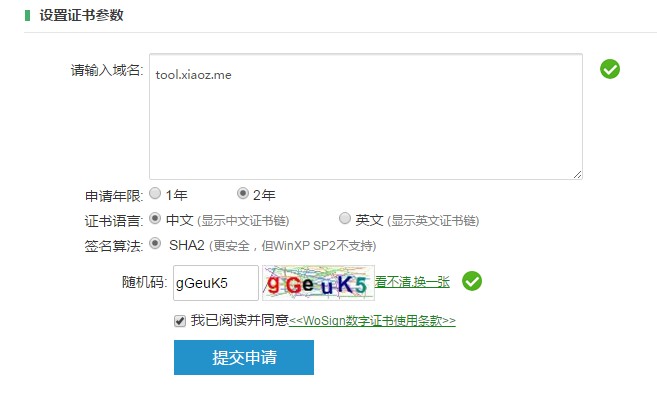
2. Submit CSR
If you have not registered, you will be prompted to create a Wosign account first. If you are already registered and logged in, proceed to the CSR submission page. Choose Method 1 to generate a CSR via the system, set a certificate protection password, and submit.
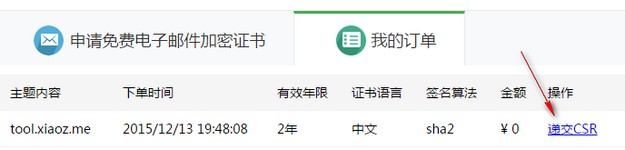
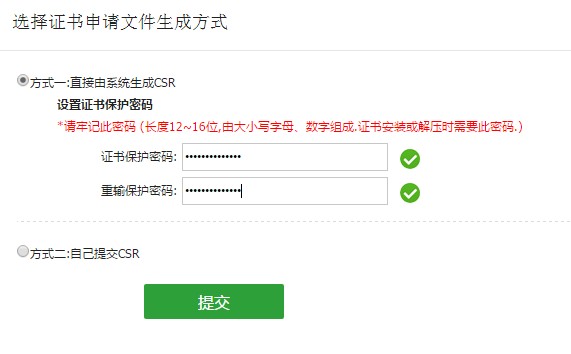
3. Automatic Certificate Issuance
Wait for the certificate to be issued successfully, then download it to your local computer. Note that once you click the button to retrieve the certificate, Wosign will delete your certificate file and will not save it. Please ensure you keep the certificate safe.
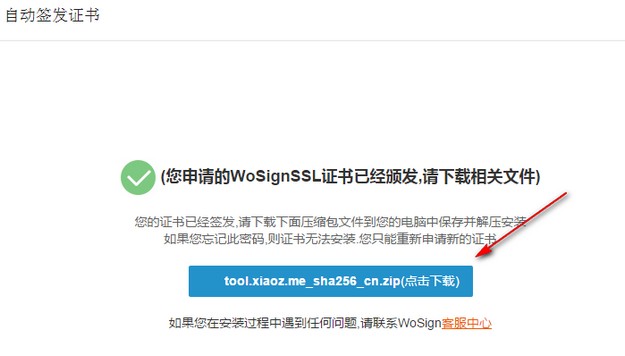
4. Unzip the Certificate
The certificate is packaged in a *.zip file containing five different web server certificates: Nginx, Apache, IIS, Tomcat, and Other Web Servers. This archive is encrypted by default. Unzip the certificate required for your specific web server using the password you set in Step 3.
5. Summary
Wosign's free SSL certificate is suitable for testing and experimentation. Previously, the default validity period was one year, but recently, it has been possible to apply for up to two years for free. The signature algorithm used to be available in two options, but now only the SHA2 encryption algorithm is provided. If you plan to deploy SSL, it is recommended to back up your web server configuration files in advance to avoid errors. Tutorials for configuring various web servers are available online, so detailed instructions are not provided here.