How to Install the Sleeky Theme on YOURLS for a Modern Look
YOURLS is a well-established, free, and open-source short URL service. However, due to its age, the default interface appears quite old-fashioned, reminiscent of the last century. Recently, a new YOURLS theme called Sleeky was discovered on GitHub. This article shares the installation process for the Sleeky theme, hoping it will be helpful.

Installing YOURLS
If you have not yet used YOURLS, please refer to my previous article: YOURLS Installation, Configuration, and Chinese Settings. If you have already installed it, please continue reading below.
Installing the Sleeky Theme
You can download the latest version of the Sleeky theme from GitHub: https://github.com/Flynntes/Sleeky/releases.
The Sleeky theme consists of two parts: the YOURLS frontend and the YOURLS backend management. After downloading the theme, you will see two folders:
sleeky-frontend: The frontend themesleeky-backend: The backend theme
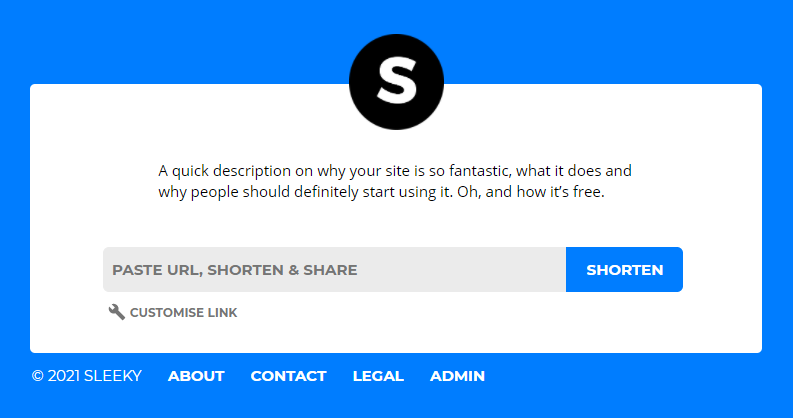
Place the contents of the sleeky-frontend folder into the root directory of your YOURLS site. No additional configuration is required; simply visit the main YOURLS interface to see the new look.
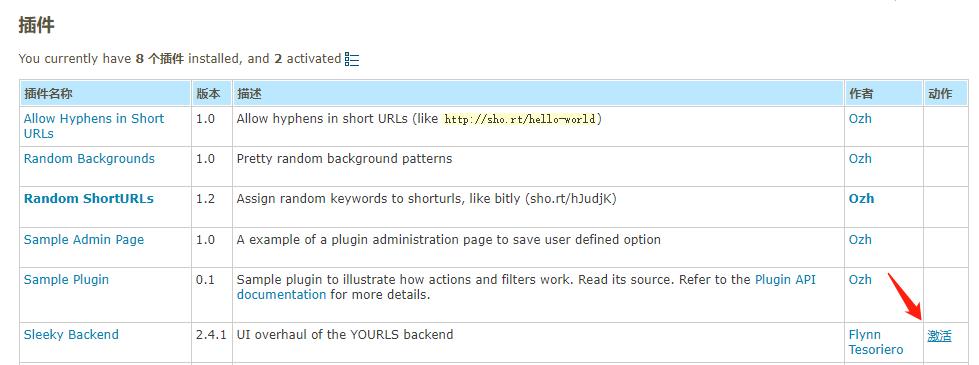
Place the backend folder sleeky-backend into the /user/plugins directory within your YOURLS installation. Then, enable the Sleeky theme plugin in the YOURLS backend, as shown in the image below.
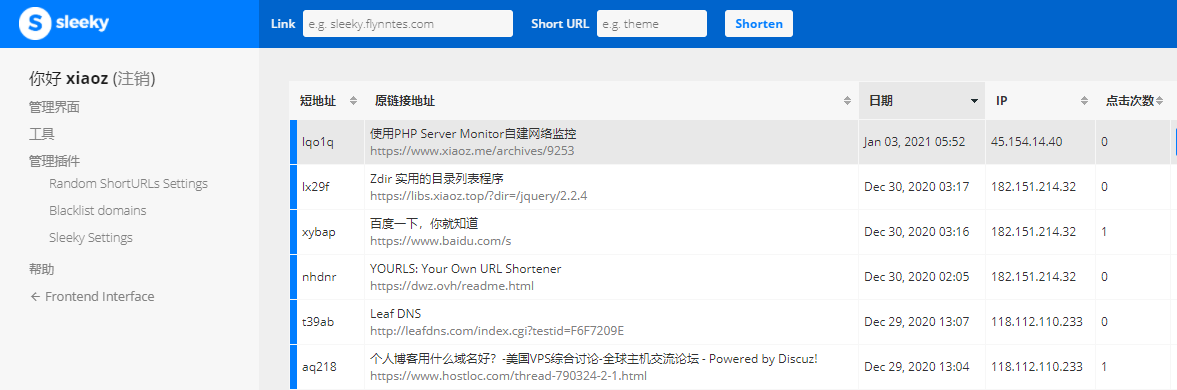
After activation, the backend interface looks significantly more beautiful than the default one.
Conclusion
YOURLS does not come with a default frontend interface. You can install the frontend using the Sleeky theme as described above, or you can write your own using the YOURLS API. For example, the short URL service provided by xiaoz is built this way: https://xw.al/.
Additionally, the Sleeky frontend theme loads many resources from abroad, which may result in slow loading speeds for users in China. It is recommended to replace the static resource paths with local ones.
- YOURLS Project: https://github.com/YOURLS/YOURLS
- Sleeky Project: https://github.com/Flynntes/Sleeky