TL-XDR5430 as an Access Point: A Simple Comparison with Redmi AC2100
I've always wanted to get a WiFi 6 router to see if it lives up to the hype. I was considering the Xiaomi AX6 and the TL-XDR5430. Since the AX6 is discontinued, I purchased the TL-XDR5430 on JD.com to use as a pure Access Point (AP). Here are my personal experiences and observations for those who might need a reference.
About the Price
I bought it for 349 RMB after using various coupons on JD.com. Purchase link: https://u.jd.com/gKz4FTq
About the Appearance
The packaging box is very large, and there are no labels or seals on either side, making it very easy for second-hand dealers to resell.
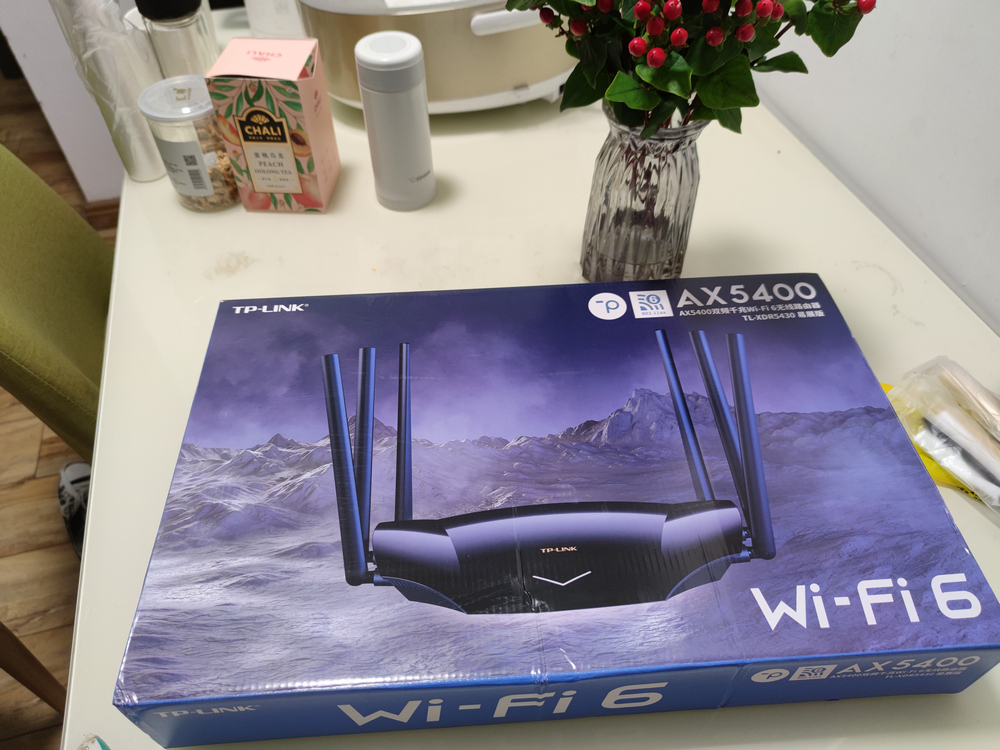
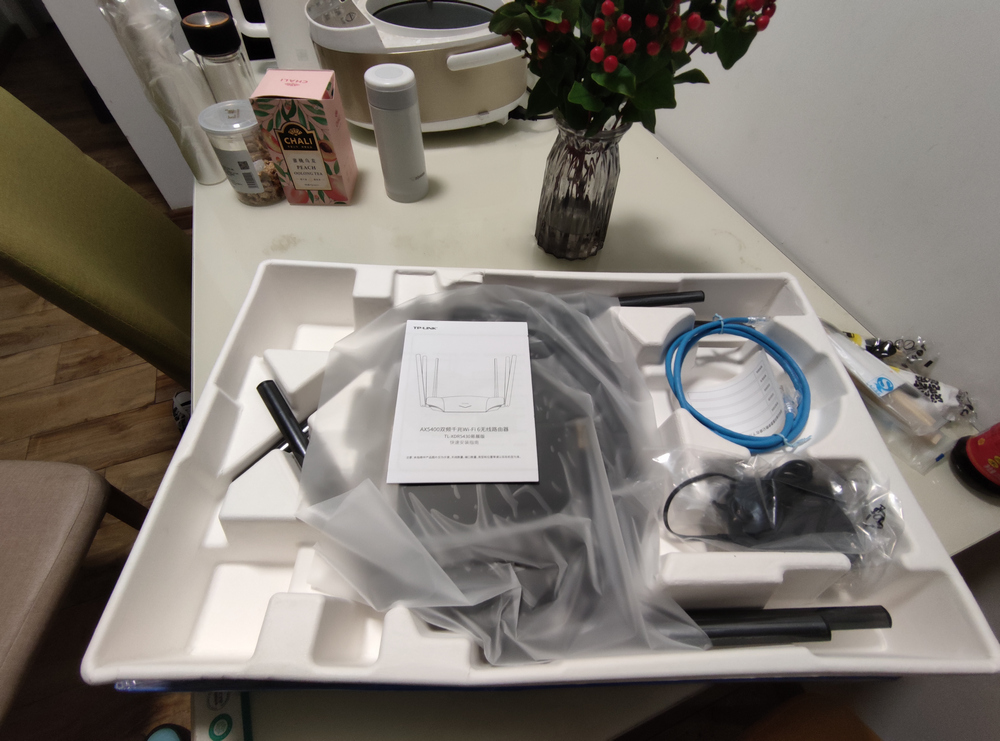
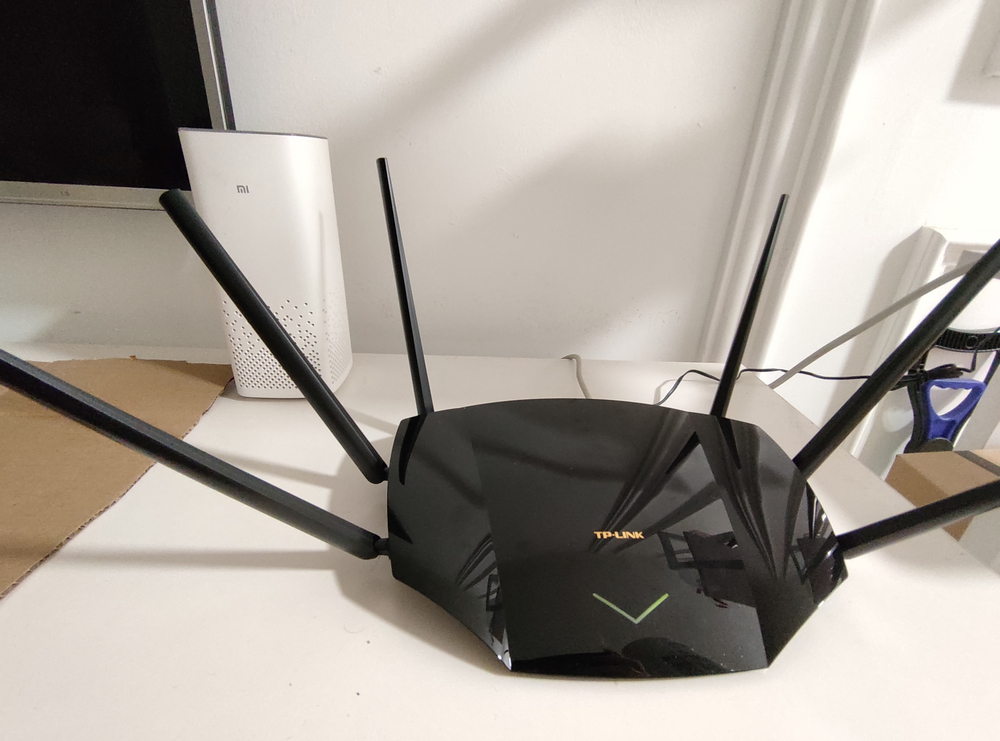
It has a black plastic shell, looking steady and atmospheric, or simply put, it is big and ugly.
TL-XDR5430 VS Redmi AC2100
This comparison is not professional; I simply ran some tests and organized the data into tables for reference.
My home bandwidth is 50 Mbps upload and 300 Mbps download. The router was placed in the same living room position, and I used a desktop PC in the bedroom (equipped with an AX200 wireless card) for speed testing. iKuai was used as the soft router, with the Redmi AC2100 and TL-XDR5430 acting as APs respectively. The speed test results (in Mbps) show that both routers can fully utilize the bandwidth with negligible difference.
| Model | First (UP/DOWN) | Second (UP/DOWN) | Third (UP/DOWN) | Average (UP/DOWN) |
|---|---|---|---|---|
| Redmi AC2100 | 64/379 | 63/379 | 65/379 | 64/379 |
| TL-XDR5430 | 67/379 | 65/377 | 64/377 | 65/377.7 |
I also tested signal strength and speed using a Xiaomi 10s connected to 5G WiFi at different locations (higher values are better). As shown in the table below, the TL-XDR5430 indeed has stronger signal strength and speed compared to the Redmi AC2100.
| Model | Master Bedroom | Second Bedroom | Outside Door (Signal Strength/Speed) |
|---|---|---|---|
| Redmi AC2100 | -51 dBm/780 Mbps | -57 dBm/585 Mbps | -67 dBm/195 Mbps |
| TL-XDR5430 | -44 dBm/1200 Mbps | -50 dBm/1200 Mbps | -68 dBm/216 Mbps |
User Experience
The TL-XDR5430 comes in v1 (Broadcom version) and v2 (Qualcomm version). The v1 version is currently discontinued, and the v2 version is what you can find in official channels, including the one I purchased. According to the comparison on acwifi, the v1 version has better signal, lower power consumption, and less heat generation, while the v2 version has stronger small packet forwarding capabilities.
Additionally, the TL-XDR5430 is quite large and ugly. The v2 version generates a lot of heat; in fact, it is the hottest router I have ever used (though I haven't used many routers). I am unsure if this high heat level will cause instability, so I will update this review after using it for a while.
The firmware for the TL-XDR5430 is extremely basic, and it cannot be flashed with custom firmware, making it not very versatile. It is not suitable for tinkering or as a main router, but it works well as a pure AP.
TL-XDR5430 Purchase Link: https://u.jd.com/gKz4FTq