Lenovo Xiaoxin PAD Review: Is This Entry-Level Android Tablet Worth Buying?
Recently, I purchased the Xiaoxin PAD on PDD primarily for watching videos. After using it for over a week, I'd like to share my personal experience to provide a reference for those interested.
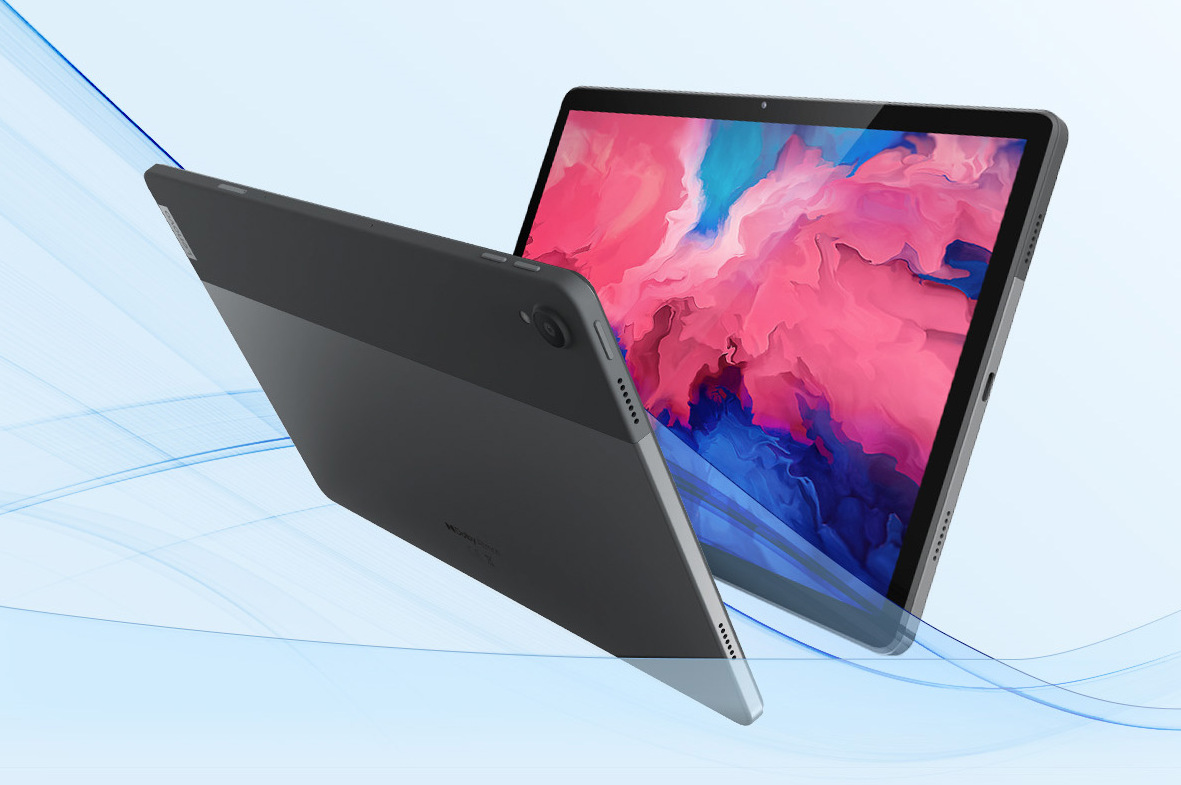
Configuration and Price
I chose the 6GB + 128GB version. The official price is 1,399 yuan, available on the official website, JD.com, Taobao, and PDD. I bought it on PDD for 1,199 yuan, which is 200 yuan cheaper than the official price. Some specifications are as follows:
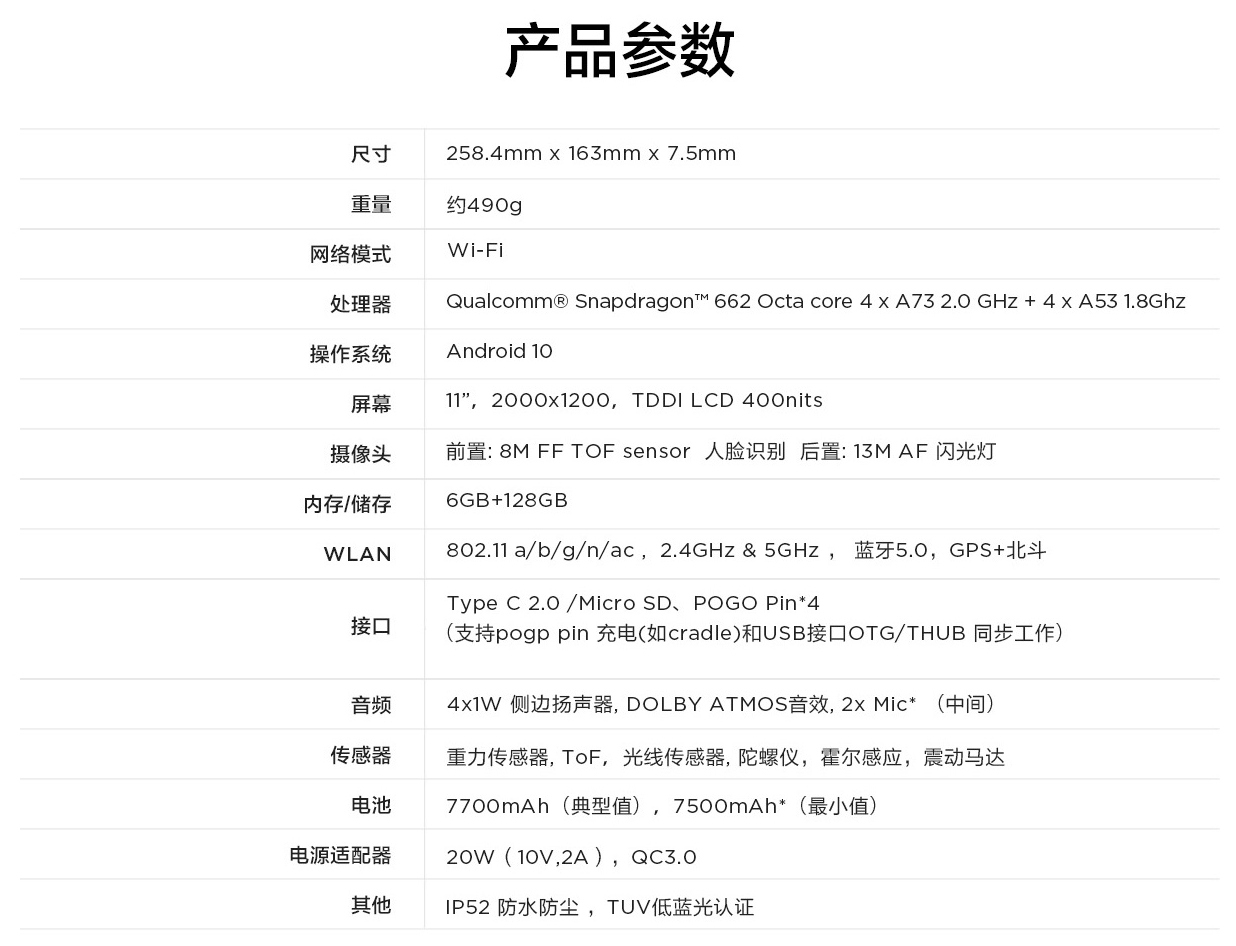
As an entry-level Android tablet, this configuration is indeed quite low, given the price point, so expectations should be managed. It also has siblings like the Xiaoxin PAD Pro and Xiaoxin PAD Plus, which offer higher specifications.
System
The Xiaoxin PAD comes with Lenovo's ZUI desktop running on Android 10, which can be upgraded to ZUI 12.5 (based on Android 11). I did not upgrade, fearing it might become sluggish. ZUI is not particularly user-friendly, but it's not difficult to use either; the system is passable. Some third-party apps are pre-installed, but they can generally be uninstalled. The screen refresh rate is a bit low, causing some lag when switching pages.
Android Tablet Ecosystem
Software Ecosystem
The quality of the Android software ecosystem is inherently inferior to Apple's, and tablet-specific apps are even more lagging behind. Many Android apps are not optimized for tablets; some don't even support landscape mode, and some app icons have low pixel density, which can be frustrating.
You can use Google GMS services and install the full suite of Google apps (just install Google Play from the built-in app store).
Hardware Ecosystem
Currently, the tablet manufacturers with high shipment volumes in the Android camp include Huawei, Lenovo, and Samsung. It seems Huawei has a better reputation for both hardware and software, though I haven't used Huawei tablets, so I won't elaborate. Lenovo has released several tablets, making them relatively more reliable compared to those from obscure brands.
Video Playback
I'm not very familiar with video parameters and haven't done extensive research. Playing 1080P H.264 and H.265 encoded videos is no problem, but playing 4K H.265 videos is not feasible (I tried both hardware and software decoding); the screen becomes very laggy. The same 4K video played smoothly on my Xiaomi 10S using the same video player. This is likely due to the weak CPU, which cannot keep up with decoding.
Conclusion
Here is a simple summary:
- The Xiaoxin PAD offers good value for money.
- ZUI is neither particularly good nor difficult to use; it's average.
- The Android tablet ecosystem is relatively poor.
- The interface has a grainy texture and lacks refinement.
- It can meet most video playback needs.
- It features a metal, lightweight body with decent feel and appearance.
It is suitable for children's online classes or light video watching. If you have higher requirements, the Xiaoxin PAD is not the right choice. For a better experience, an iPad might be more appropriate. If you are unsure about your needs, I do not recommend buying a tablet, as it may quickly gather dust.