Master Logo Design: Badge Style Tips and How to Use Fotor
A great logo is memorable and fosters consumer identification; conversely, a poorly designed logo lacks distinctiveness and fails to convey the brand's value proposition. Today, we share practical logo design techniques and an online logo design tool: Fotor.
Fotor is an online design tool offering 100,000+ high-quality, original, and commercially usable design templates and assets. It allows users to create posters, business cards, logos, PPTs, and cover images online. With a vast library of high-quality images, it enables individual website owners to quickly complete logo design and new media editors to design article illustrations and covers. It is perfect for beginners, allowing anyone to create great designs in just one minute.
1. Logo Design Techniques
In logo design, using simple geometric shapes as a background and combining text or concrete icons with the background shape allows different elements to converge into a whole. This more concisely conveys brand information. This is known as the badge background design method.
Badge logos, with their unique style, possess both a heavy, traditional feel and a fashionable, retro vibe. They are a common and practical technique across various industries.
2. Logo Case Studies
1. Education Sector
Whether in foreign or domestic contexts, most schools and educational institutions adopt badge logos. Their standardized and orthodox appearance is a key factor valued by the education industry.

2. Catering Industry
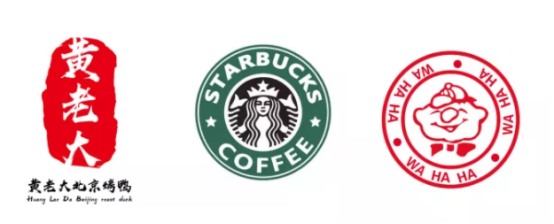
Badge logos are an excellent choice for the catering industry. Whether traditional老字号 (old brands) or emerging dining brands, many prefer this logo type.
3. Healthcare Industry
Similar to the traditional catering sector, some old pharmaceutical brands also prefer using badge logos.

4. Fashion Industry
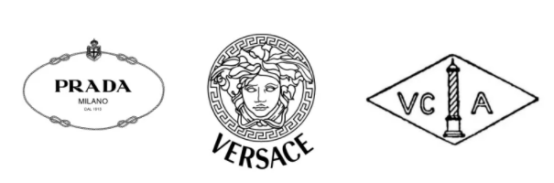
The fashion industry has a broad connotation. To reflect both current aesthetic trends and grounded consumer concepts in a logo, the heavy, retro, yet fashionable characteristics of badge background logos are perfectly suited for the fashion circle.
3. How to Create a Badge Logo?
The concept is simple. Let's try it together.
1. Analyze Industry Attributes and Brand Tone
1) Determine Core Elements
When starting to design a logo, the first step is to analyze industry attributes and brand tone. This helps decide effective details, including the logo's color or general elements.
For instance, industries like flower shops or dessert shops tend to favor fresh, pink logos, while hot pot and skewer shops often prefer red logos.
When selecting main elements, you can either choose a concrete object from the industry to directly reflect the brand, which offers easy recognition. Alternatively, you can select symbolic related objects as the subject, using metaphor or implication to express the design concept and create an artistic image with symbolic meaning.
2) Select Decorative Elements
After choosing the main graphic, consider adding auxiliary elements to make the logo's meaning more complete. In Fotor's vast sticker library, you can find many decorative elements to use.
3) Choose a Badge Background
The key to badge logo design is finding a suitable background shape that blends perfectly with other elements. Common badge backgrounds are geometric shapes like rectangles, circles, and triangles. Another type is the outline style. Both can be found in Fotor's badge sticker collection.
2. Create a Badge Logo Using Fotor
1) Determine Tone and Core Elements Based on Industry
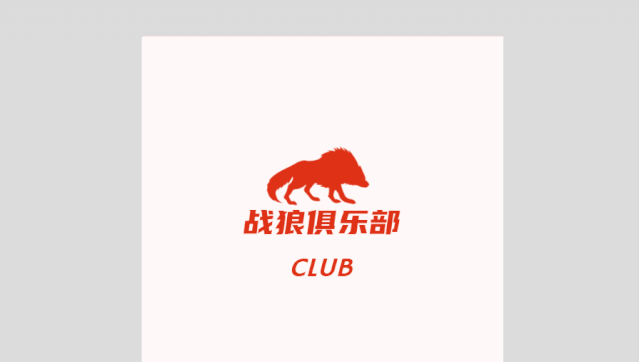
Today, we will use Fotor to create a logo for a racing club. We aim to use a combination of text and graphics as the core element. Based on the store name "War Wolf Club," we select a wolf sticker from Fotor as the core element. Then, choosing red as the main tone reflects the passionate nature of the racing industry.
2) Select Suitable Auxiliary Elements from Stickers
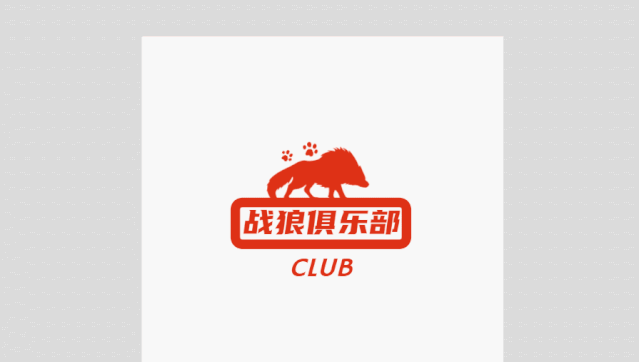
Based on the wolf core element, we add a wolf claw sticker to strengthen the expression of the "War Wolf" image. We also use a border sticker to beautify the text.
3) Add Badge Shape Stickers and Adjust Layers
Finally, we select two badge shapes from the sticker library and stack them to create a common armband effect for clubs. After adjusting the background layers, the "War Wolf Club" badge logo is complete.
Creating a high-end and atmospheric badge logo is surprisingly simple. Have you learned it?
Note: Articles marked with "AD" indicate that the merchant has sponsored the content.