From Xiaomi 10s to Xiaomi 13: A Hands-On Comparison and Unboxing
The Xiaomi 10s in my possession has been used for nearly three years. Recently, I considered upgrading to a new phone. Before making a decision, I visited a Xiaomi Home store for a hands-on experience and found that the Xiaomi 13 better suited my needs. Consequently, I purchased the Xiaomi 13 via the Tmall flagship store. This article shares the simple unboxing process of this phone and a basic comparison of its usage experience with the Xiaomi 10s.
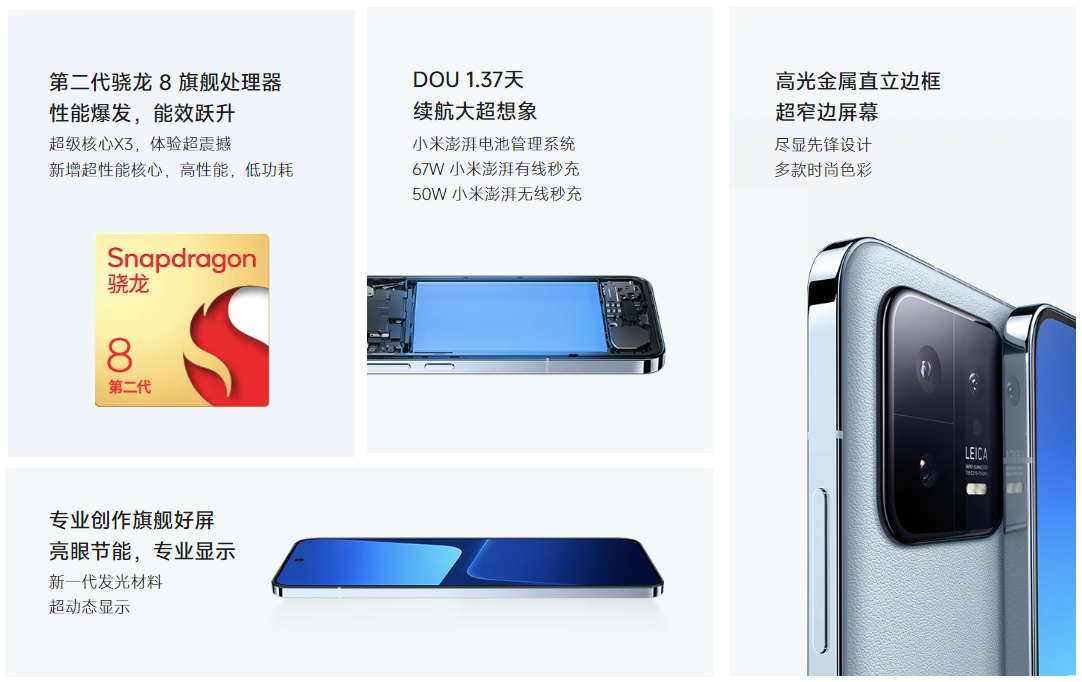
Why I Bought the Xiaomi 13
The Xiaomi 13 attracted me for several main reasons:
- The design meets my aesthetic requirements
- 6.36-inch screen size, which is appropriate (I dislike overly large phones)
- Flat display
- Excellent hand feel
- Sufficient performance
- Current price meets my expectations
Xiaomi 13 Unboxing
Purchasing the Xiaomi 13
- Xiaomi JD Self-operated Flagship Store Purchase link: https://u.jd.com/U8Dorej (The "12GB + 256GB" version is the only option available)
- Tmall Xiaomi Official Flagship Store Purchase link: https://m.tb.cn/h.gXDEHA5
I ultimately chose the 12GB + 256GB white version. Since the JD store did not have a 512GB version, I purchased it through the "Tmall Xiaomi Official Flagship Store." The actual price paid was ¥3086.40, shipped via SF Express from a local warehouse.
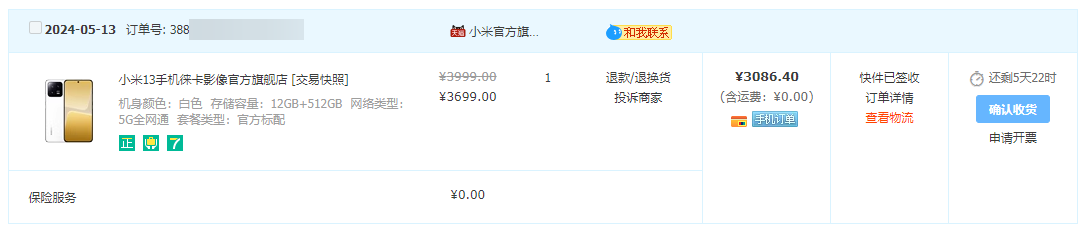
Note: Different color versions have different back cover materials, either glass or tech nano-skin. If unsure, please consult customer service first!
Xiaomi 13 Unboxing Process
Outer Packaging
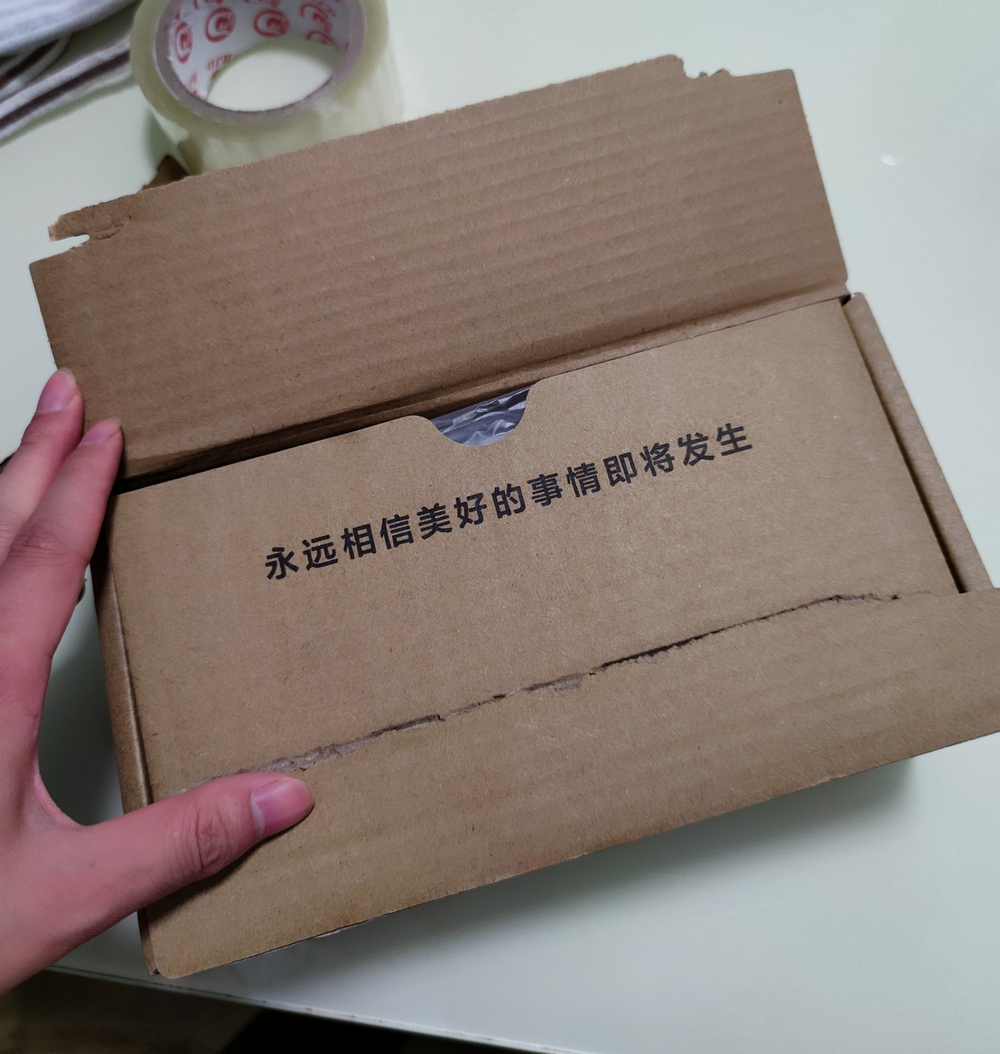
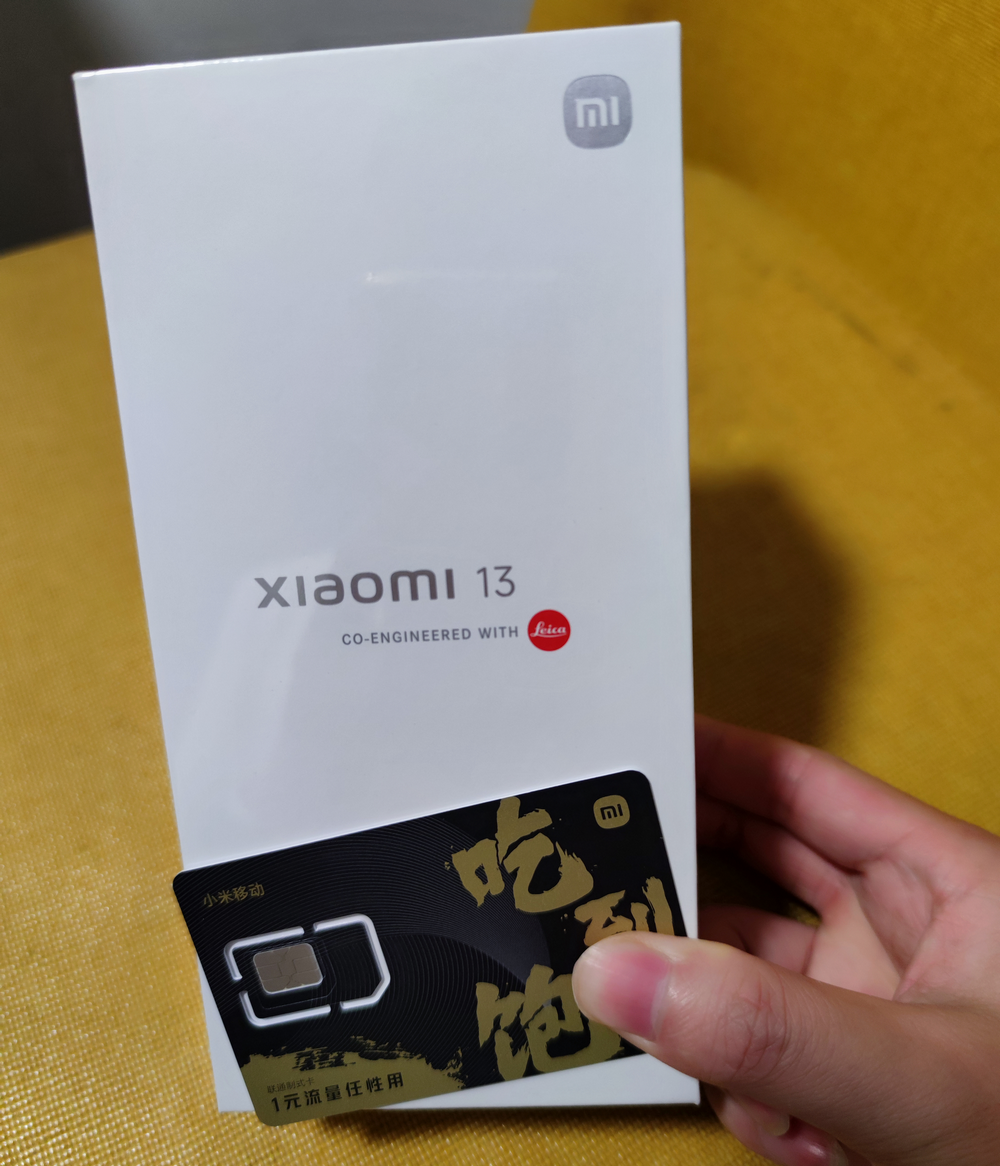
The inner box is wrapped in plastic film and comes with a somewhat useless SIM card.
The side of the inner box displays version and IMEI information.
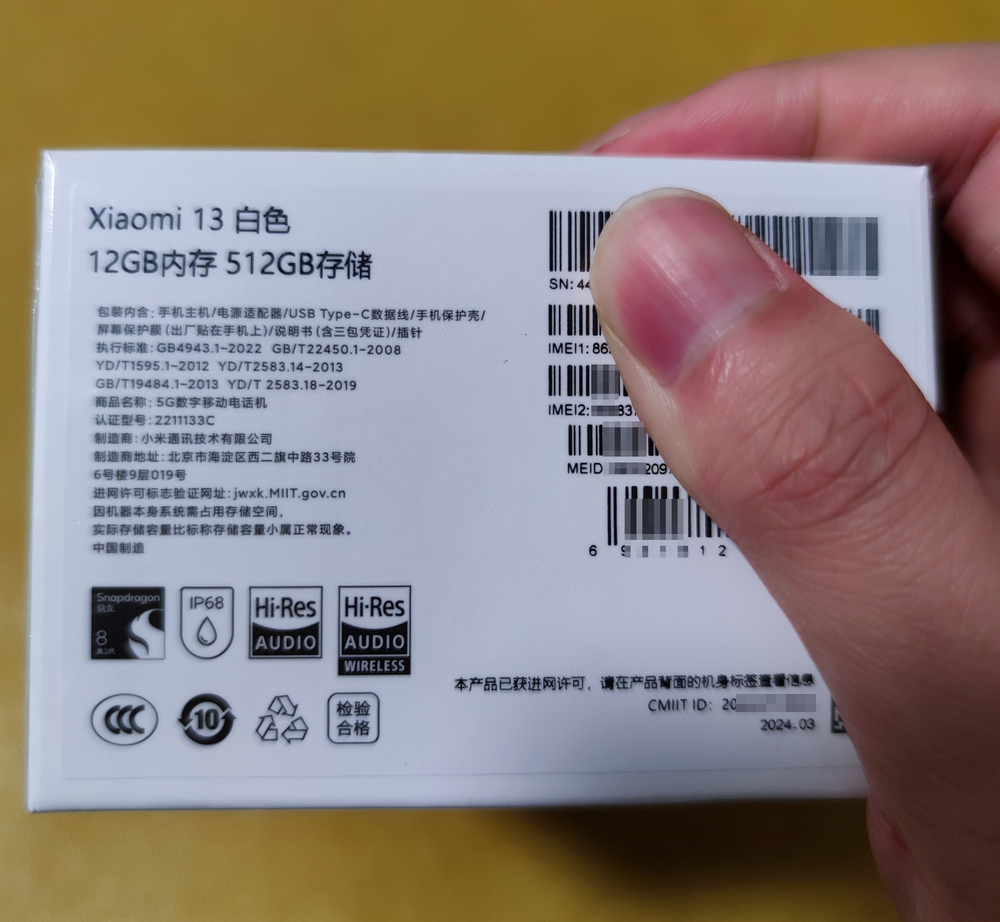
Inside the Box
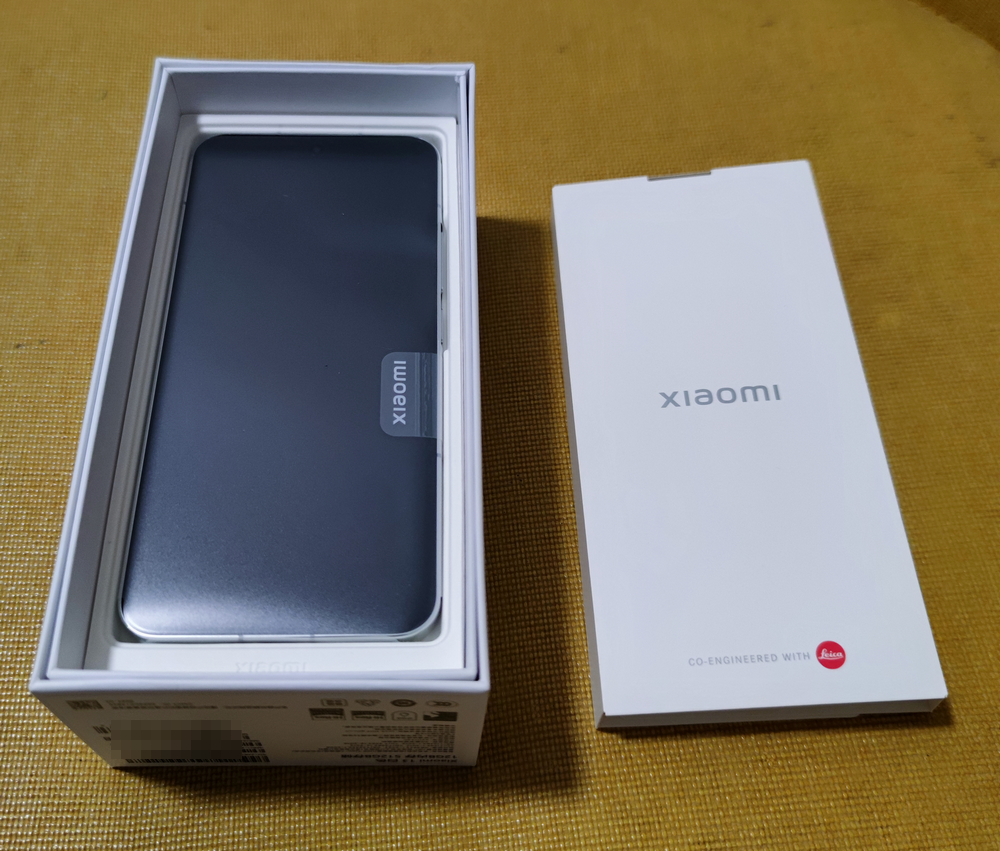
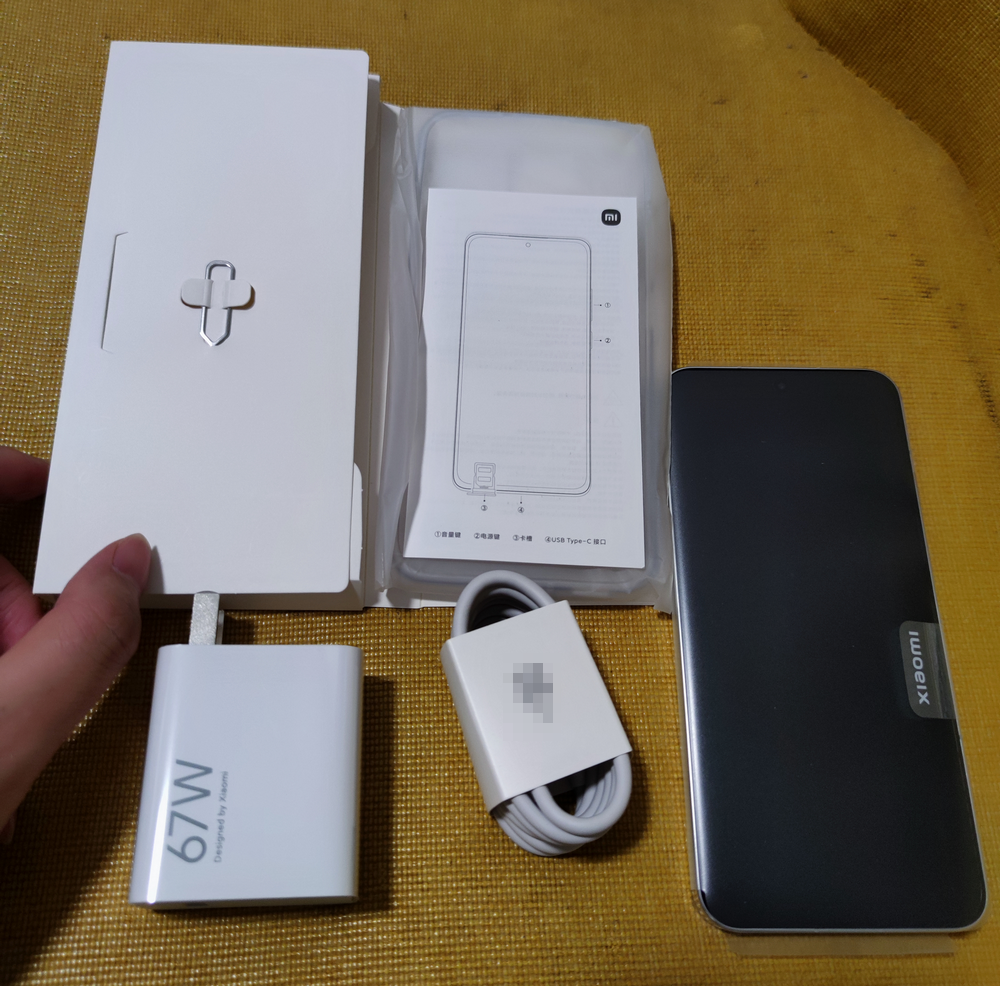
Accessories include the phone, a 67W charger, a SIM ejector tool, and a manual (a Type-C headphone adapter was not included).
The white version of the Xiaomi 13 features a glass back cover with a very good hand feel.
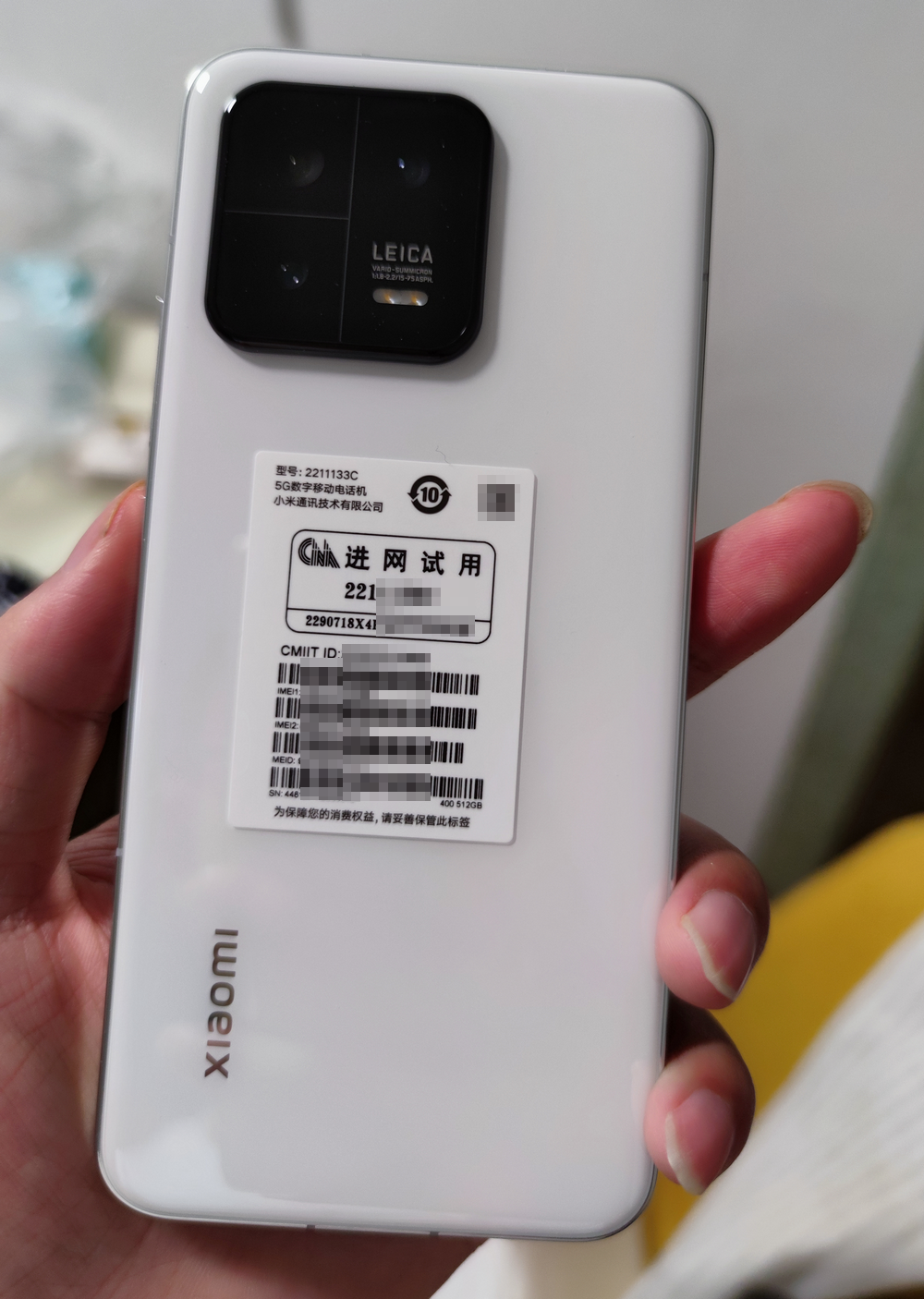
The phone has an aluminum alloy silver metal frame on the sides. It looks a bit like an iPhone. Although it is a metal frame, this color makes it look somewhat like a plastic frame; perhaps a champagne gold color would have been better?
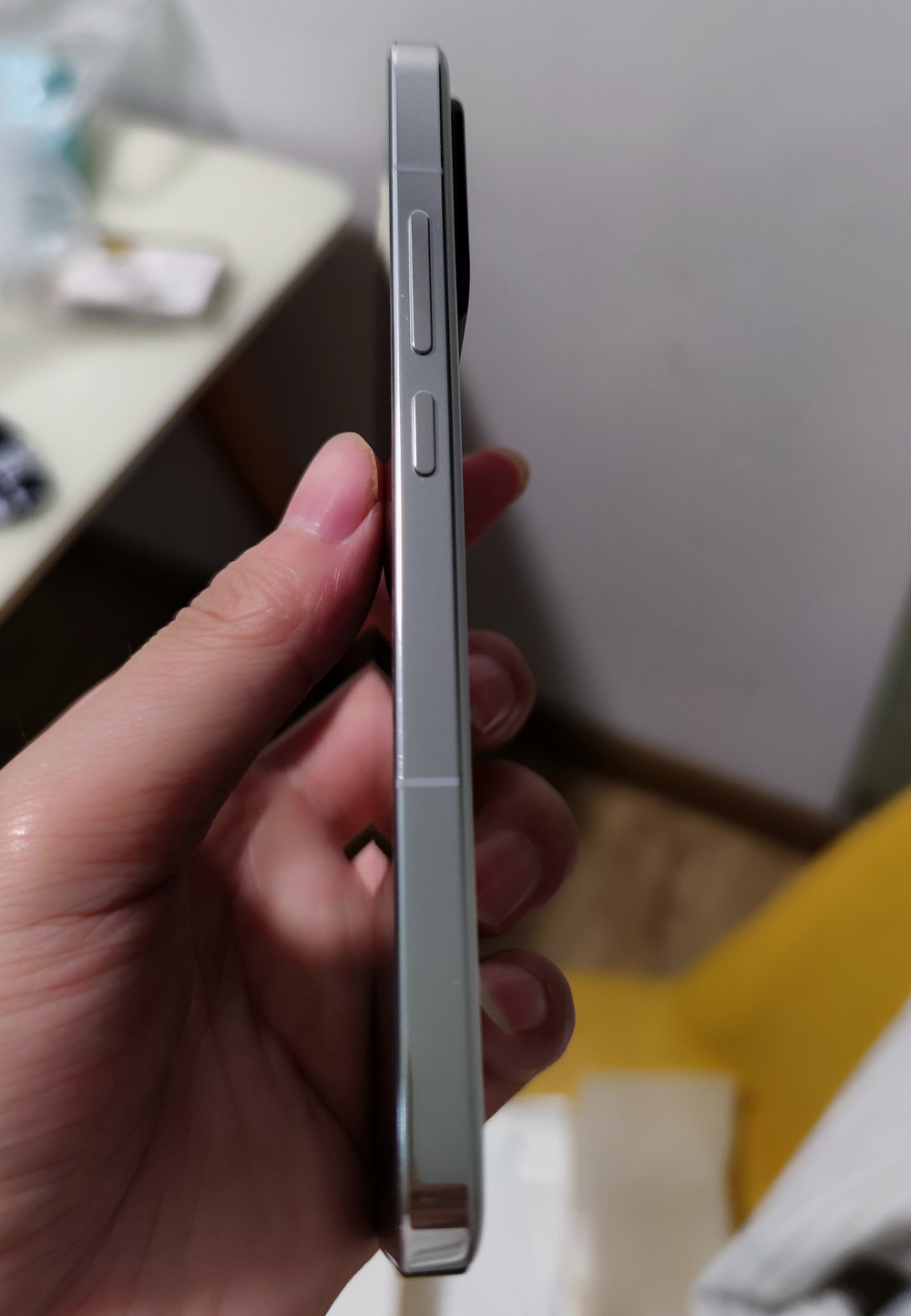
The 6.36-inch screen is very suitable for one-handed use.
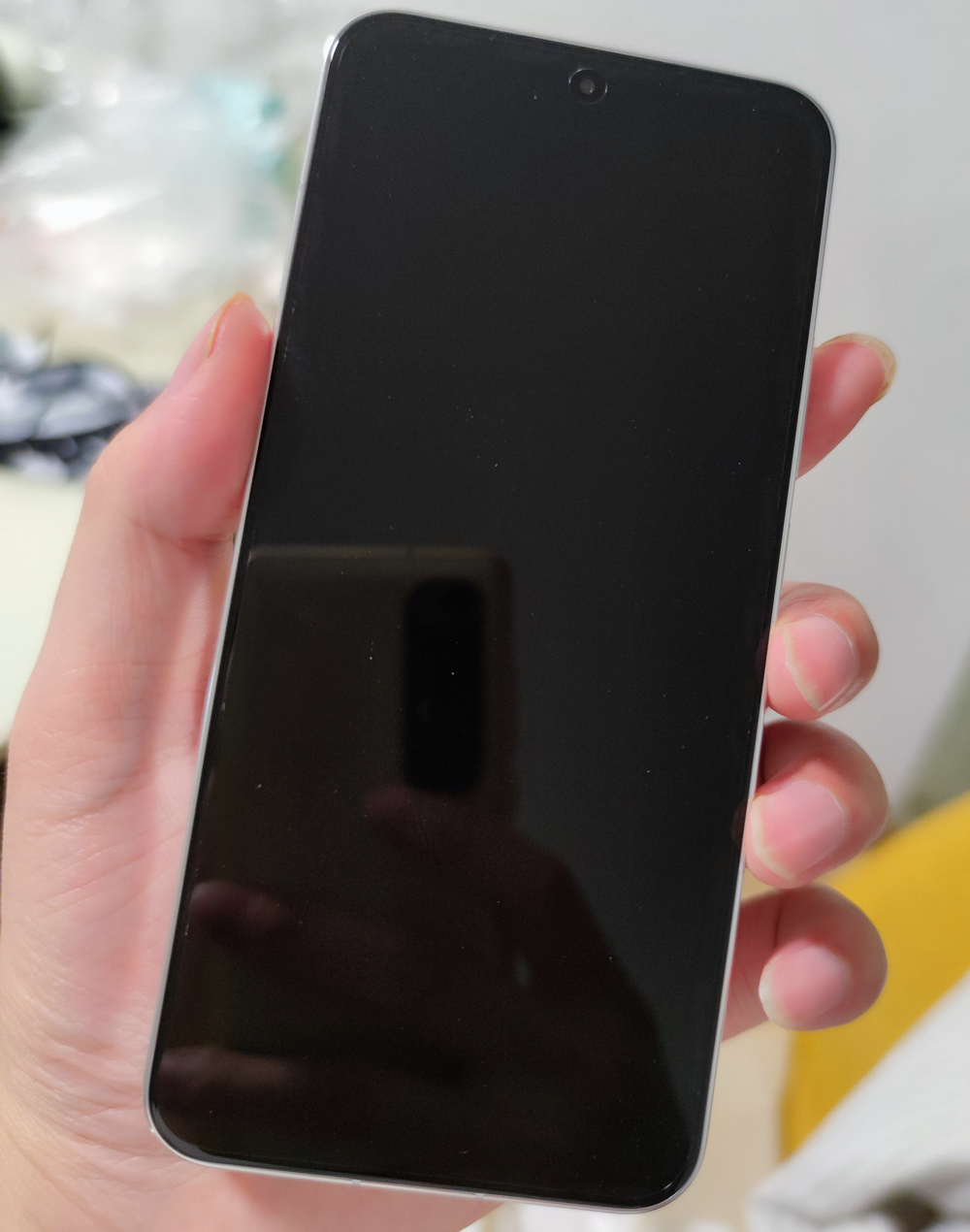
The system comes pre-installed with HyperOS 1.0.6. I actually would have preferred MIUI 14.
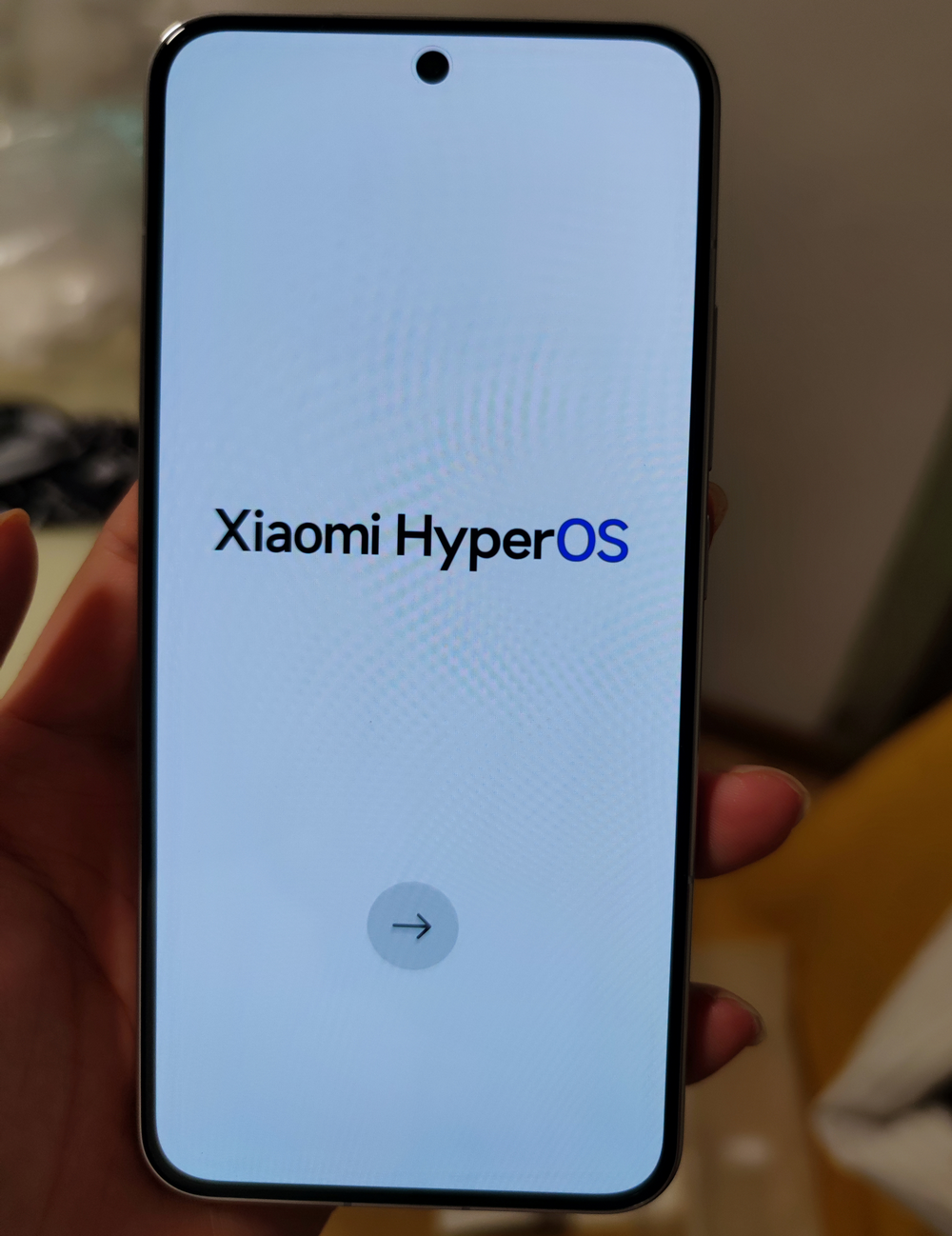
Xiaomi 13 Usage Experience
- System: HyperOS, like MIUI, has many ads that need to be manually disabled. Additionally, the new phone comes pre-loaded with numerous third-party apps that need to be uninstalled.
- Smoothness: The Xiaomi 13 supports a maximum refresh rate of
120Hz, making daily usage quite smooth. - Battery Life: Battery standby time is moderate; it may require charging once or twice a day. The 67W power adapter can fully charge the phone in a little over an hour.
- Screen: It features a flat display. The color reproduction feels good to me, and finally, there are no green edges like on the 10s.
- Audio: Average quality; it is listenable but nothing special.
Comparison: Xiaomi 13 vs. My Xiaomi 10s
The following are my personal subjective impressions for reference only.
| Phone/Parameter | Xiaomi 10s | Xiaomi 13 |
|---|---|---|
| Refresh Rate | Max 90Hz ↓ |
Max 120Hz ↑ |
| Screen | Curved (with green edges) ↓ | Flat ↑ |
| Audio | Harman Kardon support ↑ | Average ↓ |
| Photography | No noticeable difference | No noticeable difference |
| Smoothness | Smooth ↓ | Very smooth ↑ |
| Hand Feel | Average ↓ | Excellent ↑ |
| Charging Power | 33W ↓ |
67W ↑ |
| Fingerprint Sensor | Average ↓ | Good ↑ |
| Battery Life | Average | Average |
The audio quality of the Xiaomi 10s was indeed quite good. However, in terms of smoothness, screen quality, charging speed, and hand feel, the Xiaomi 13 is overall superior to the Xiaomi 10s.
Conclusion
This sharing covers the unboxing experience of the Xiaomi 13 and a basic comparison with the Xiaomi 10s. From performance to design, the Xiaomi 13 performs excellently in many aspects, especially with significant improvements in screen refresh rate, charging speed, and hand feel, which greatly enhances the overall user experience. Although the Xiaomi 10s still has its unique strengths in audio quality, the comprehensive performance of the Xiaomi 13 makes it a worthy upgrade choice. Equipped with the high-performance Snapdragon 8 Gen 2 chip, the Xiaomi 13 can not only meet daily usage needs but also cope with future technological iterations. Overall, if you are looking for a high-performance yet affordable new phone, the Xiaomi 13 is worth considering.
- Xiaomi JD Self-operated Flagship Store Purchase link: https://u.jd.com/U8Dorej
- Tmall Xiaomi Official Flagship Store Purchase link: https://m.tb.cn/h.gXDEHA5